Most people drive right past it. We'd like you to stop.
There's a stretch of Cleveland's east-side shoreline, near Gordon Park, where a small collection of docks holds one of the most important stories in American boating.
Thirteen men, tired of being turned away
Black families who owned boats in Cleveland couldn't dock them at the local clubs, or even pull up to buy fuel. To get on the water they hauled their boats nearly seventy miles to Sandusky. James "Slim" Parks decided that was enough, and gathered twelve other men who loved the water.
Articles of incorporation
InterCity Yacht Club received its articles of incorporation from the State of Ohio and a lease from the City of Cleveland — a battered stretch of waterfront with a broken dock and a single run-down bait house. To anyone else it looked like nothing. To Slim and his men, it looked like the future.
In front of the bulldozer
He parked his car directly in front of that bulldozer and refused to move, sitting there day after day until the papers arrived and made it official.
Built by hand, decade after decade
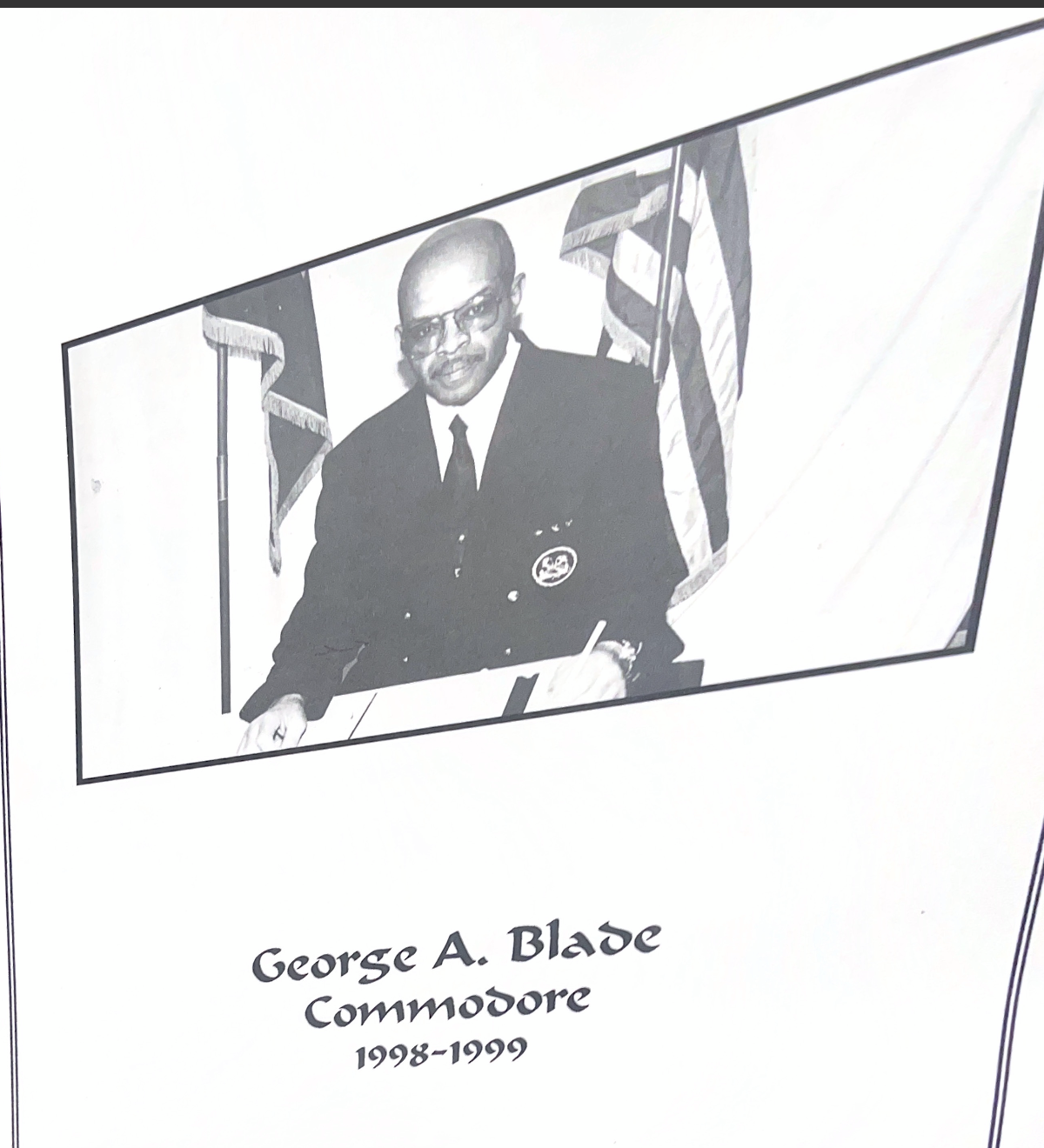
Everything here was built by members. The old bait house was remodeled by Commodores Eugene Guyton, Lee Malloy, and George Blade. A long line of commodores carried the dream forward, season after season.
The clubhouse we still gather in
Thirty years after the founding, Commodore Elvin R. Jones led the construction of the clubhouse we use today — high ceilings, an open floor, a bar, and a patio looking straight out over Lake Erie.
Superstorm Sandy
The storm nearly wiped out our docks. We rebuilt every time — through the dot-com crash, the housing recession, and the water itself. Yet, we rise.
A new generation on the bridge
Commodore Ryan Weekes, originally from Barbados, knows exactly how rare a club like this is. Past Commodore Thomas "Rock" Adams is only the second Black commander in the 85-year history of the Greater Cleveland Boating Association. We're still keeping the water within reach, and widening the circle.
The story, in their own words.
To make life on the water accessible, affordable, and inclusive — and to protect a piece of history that belongs to all of Cleveland.